What Is a Mortise Lock and Why Does It Matter for Commercial Doors
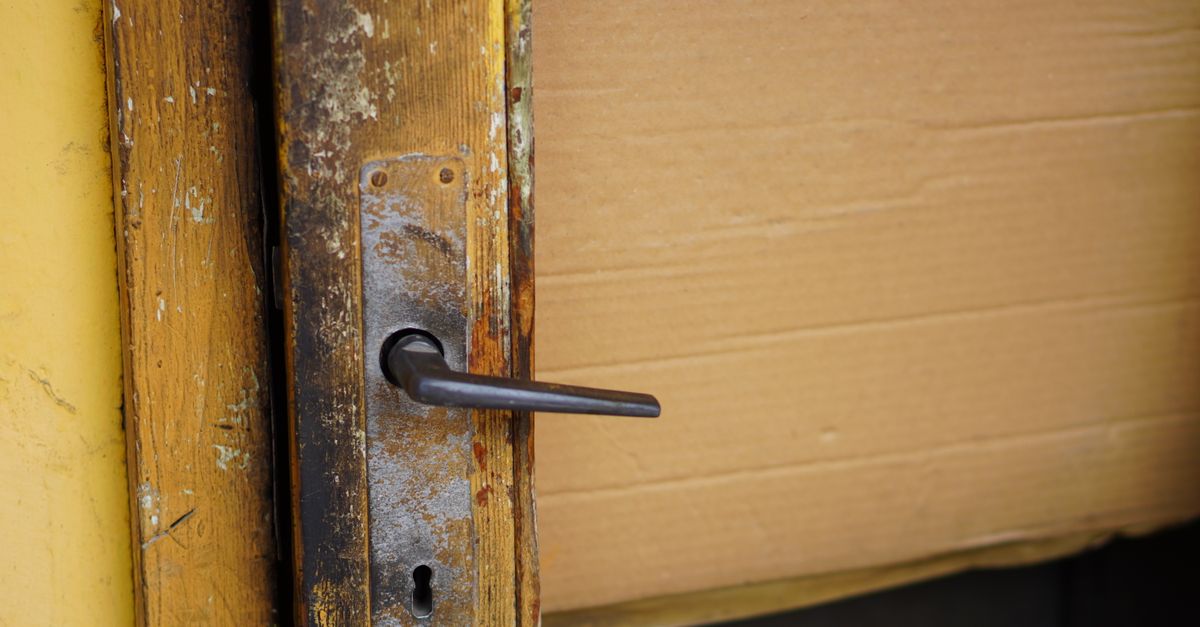
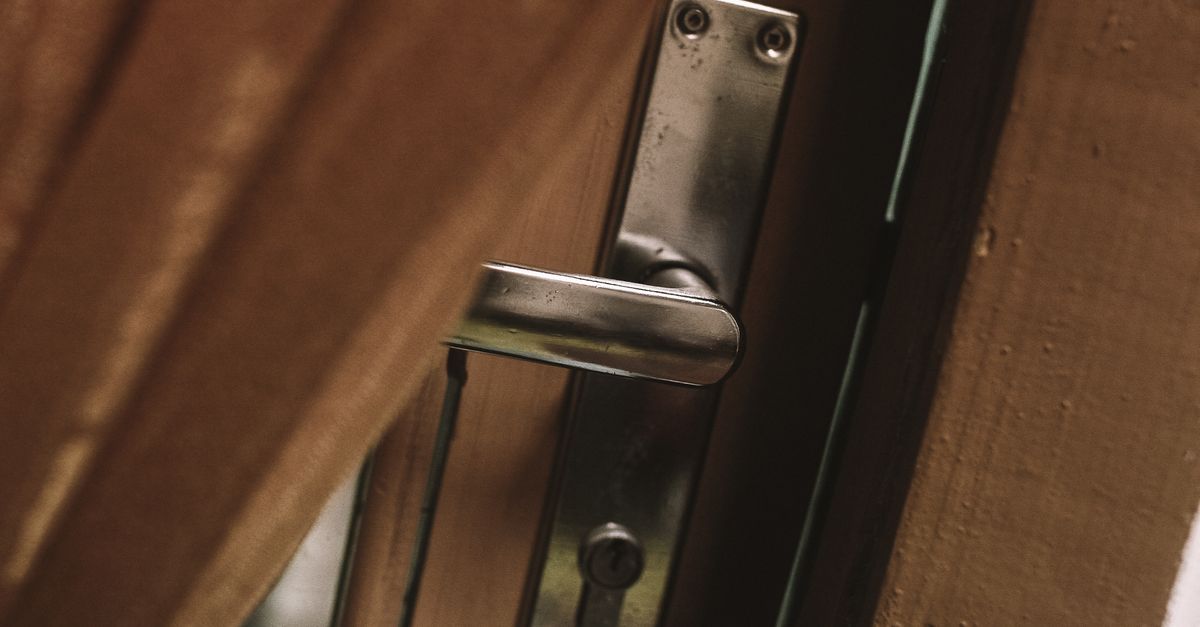
A mortise lock is a complete locking mechanism installed inside a precisely cut pocket — the mortise — in the door stile. The body of the lock contains all the working parts: the latchbolt, the deadbolt, the trim cam, and the internal cylinder housing. Because the mechanism is embedded rather than surface-mounted, forces applied to the exterior hardware cannot simply shear or rip the lock body away from the door. This is why architects, property managers, and security consultants specify mortise lock sets for high-traffic commercial entrances, institutional buildings, and anywhere that a higher number of users and a longer duty cycle are expected. In Hamilton's climate — where hard winters, expansion and contraction of steel door frames, and high pedestrian counts at transit-adjacent sites all take a toll — that structural integrity matters considerably more than it does in a standard residential setting.
The mortise lock cylinder is the component most often targeted by tampering, picking attempts, or wear. Many commercial mortise bodies accept interchangeable cylinders, which means our technicians can upgrade your security profile — moving from a standard pin-tumbler profile to a restricted keyway or a high-security cylinder — without replacing the entire lock body. That flexibility also makes rekeying fast and cost-effective after a staff change or a key goes missing.