Hamilton Locksmiths Service Team
Local locksmith team
Sep 14, 2026 12 min read
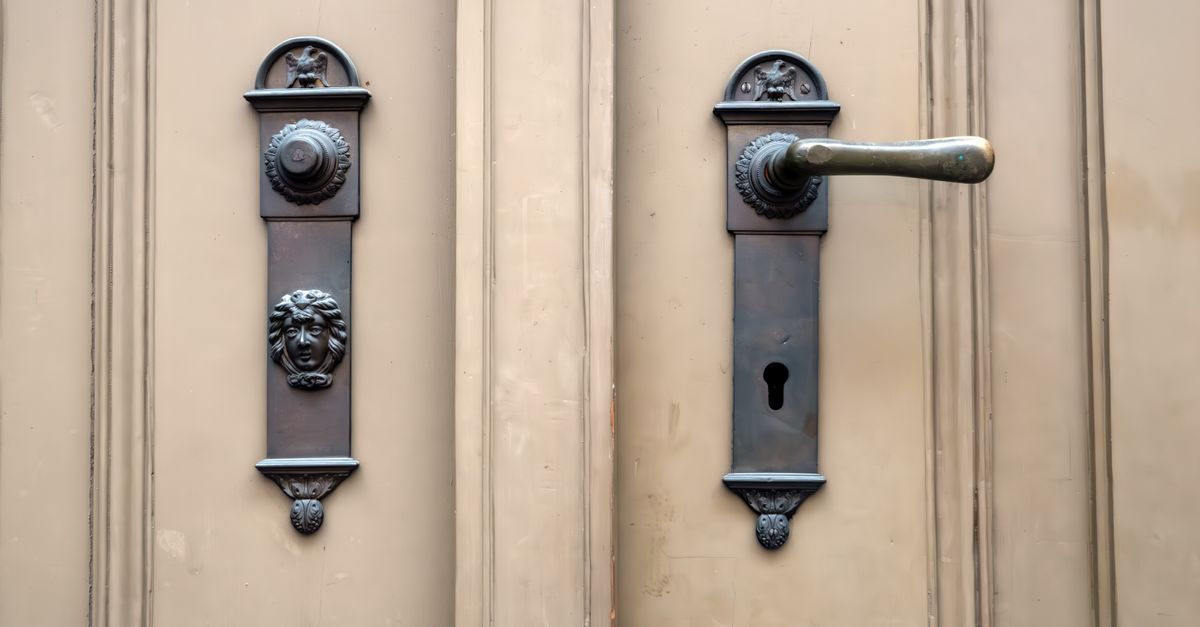
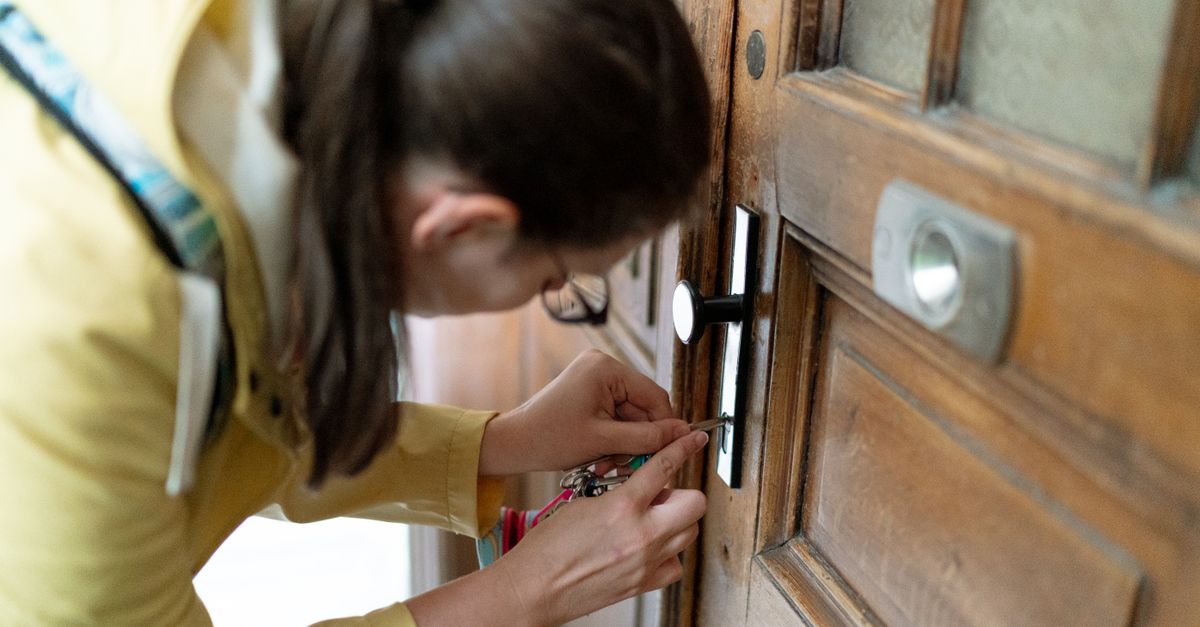
If you live in Strathcona, Kirkendall, or the North End, there's a good chance your front door has a lock that looks nothing like the ones at the hardware store. Instead of a standard knob or lever with a separate deadbolt, you've got a single rectangular unit recessed into the edge of the door — a mortise lock. These mechanisms were standard in Canadian residential construction from roughly the 1880s through the 1960s, which means Hamilton's rich stock of century homes is full of them. They're elegant, they're sturdy, and they can be genuinely confusing when something goes wrong.
This guide explains exactly what mortise locks are, why Hamilton homeowners keep encountering them, and how to decide whether yours needs a repair, a rekey, or a full replacement. We'll also flag the moments when a professional locksmith is simply the safer, smarter call — because with a mechanism this old and this specific, the wrong move can leave you with a door that won't close at all.
## What a Mortise Lock Actually Is (and Why Hamilton Has So Many)
A mortise lock gets its name from the 'mortise' — the deep rectangular pocket chiselled into the edge of a door to house the lock body. Unlike a cylindrical lock (the kind you'd find on most modern doors, where the hardware mounts through a drilled hole), a mortise lock is a self-contained cassette that slides into the door's edge. It typically combines a latch, a deadbolt, and sometimes a night latch or privacy function all within a single metal case. The face plate sits flush with the door edge, and a separate exterior cylinder — the part you insert your key into — threads into the body from outside.
Hamilton was a booming industrial city through the late 19th and early 20th centuries, and much of its residential housing stock dates from that era. Neighbourhoods like Durand, Stipley, and Crown Point are lined with brick semis and detached homes built when mortise locks were simply how doors were secured. Many of these locks are still working — a testament to the quality of the original hardware — but decades of paint, humidity from Lake Ontario weather, and ordinary wear eventually take their toll. When one fails, homeowners often discover that the lock on their 1920s door is not something a standard trip to a home improvement store can solve.
## Common Mortise Lock Problems in Older Hamilton Homes
The most frequent issues we see are a stiff or frozen case (where the internal mechanism has dried out or seized), a worn cam that no longer reliably throws the bolt, a broken or missing tailpiece connecting the interior trim to the lock body, and a cylinder that has become loose or corroded. Sometimes the problem is simpler: the door has shifted with the seasons — a common issue in Hamilton's freeze-thaw cycle — and the bolt no longer lines up with the strike plate. That last problem often looks like a lock failure but is actually a door alignment issue.
There's also the security angle. Original mortise cylinders from the early and mid-1900s typically use skeleton keys or simple pin configurations that offer minimal resistance to picking or bumping. Homeowners sometimes ask about how to change a lock or how to change a door lock on their own, and while swapping a modern cylindrical lock is a reasonable DIY job, replacing a mortise cylinder or the full mortise body is a different task entirely. The cylinder threading, the cam length, and the case dimensions all need to match, or the lock simply won't function. Getting the wrong cylinder can leave a gap in the door edge or a bolt that sits permanently in the locked position.
## Repair or Replace? How to Decide for Your Mortise Lock
Repair is almost always worth attempting first if the lock body itself is intact. A qualified locksmith can disassemble the case, clean and lubricate the mechanism, replace worn springs, and refit the cylinder — often restoring a century-old mortise lock to reliable operation. This approach also preserves the original hardware, which matters both aesthetically and structurally: older mortise locks were designed for specific door thicknesses and edge preparations, and swapping them out for a modern cylindrical deadbolt typically means significant carpentry work on a heritage door.
Replacement becomes the right call when the lock case is cracked, when internal parts are broken beyond sourcing, or when the homeowner wants a meaningful security upgrade. A skilled locksmith can source a modern mortise lock body that fits the original mortise pocket and pair it with a high-security cylinder — giving you the look and structure of the original hardware with contemporary pick and drill resistance. If you're weighing how to change a lock on a heritage door, a professional assessment before you buy anything will save you from a mismatch that's difficult and expensive to undo. Our team carries a range of mortise-compatible cylinders and cases suited for Hamilton's older housing stock — call us at (289) 814-3758 and we can talk through the options before you commit to anything.
## Rekeying, New Cylinders, and Modern Upgrades for Mortise Locks
If your lock body is in good shape but you've just moved into a Durand century home, inherited a set of keys you can't fully account for, or had a tenant move out, rekeying is the logical first step. Knowing how to rekey a lock in a modern cylindrical sense is one thing, but mortise cylinders require a locksmith who can source the correct plug and pin configuration for that specific profile. A trained locksmith can rekey your existing mortise cylinder so that old keys no longer work — a faster and more economical process than replacing the whole lock, provided the cylinder is in serviceable condition. How to rekey a lock on a mortise door is not a standard DIY project; the cylinder removal alone requires the right cam-release tool for the specific lock generation.
Some homeowners also ask about adding a keypad to an older door. It's possible — there are mortise-compatible electronic lock bodies that drop into the original pocket — but the door edge preparation, backset, and case depth all need to be verified before purchase. Changing the code on a keypad door lock or figuring out how to change the code on a door lock after installation is genuinely straightforward on most modern units, but getting to that point on a heritage door requires the right hardware selection upfront. A commercial locksmith familiar with older building stock can assess your door and specify compatible options rather than leaving you to discover an incompatible fit after the fact.
## When to Call an Emergency Locksmith — and What to Do First
A mortise lock failure can mean being locked out entirely — either because the bolt has thrown and the cylinder won't turn, or because the internal mechanism has seized mid-operation. If you find yourself on the wrong side of the door, the first practical steps are: check every other entry point to your home (side door, back door, a window you know to be unlocked), and contact anyone who holds a spare key before calling for help. Do not attempt to force the door or improvise a bypass — mortise lock bodies and the doors that house them are easy to damage, and forcing entry on a heritage door can cause splits in the door edge that are costly to repair.
If no spare key or alternative entry exists, that's exactly the situation an emergency locksmith exists for. An experienced locksmith can assess whether the cylinder can be turned with the right tools, whether the case can be manually manipulated without damage to the door, or whether the cylinder needs to be drilled as a last resort (drilling is always a last resort, not a first move). Factors that affect your final quote for an emergency call — which we confirm with you before starting any work — include the type and age of the lock, the time of the call, travel distance within the Hamilton area, and whether replacement parts are needed on the spot. We're available around the clock for exactly these situations. If you're locked out or dealing with a failed mortise lock right now, call (289) 814-3758 — we answer 24/7.
## A Note on Door Knob Locks and Other Hardware You Might Find
Not every older Hamilton home relies solely on a mortise lock. It's common to find a mix of hardware on a century home that's passed through several owners: an original mortise body on the front door, a later-addition door knob lock on a back or side entrance, and possibly a modern deadbolt added at some point in between. Each of these operates on different principles and has different failure modes. A stiff door knob lock on an older wooden door, for example, is often a strike plate alignment issue rather than a cylinder problem — the door has swollen or settled, and the latch no longer hits the strike cleanly. That's a simple adjustment. A door knob lock where the interior button no longer releases the exterior cylinder is a different problem and usually means the internal privacy mechanism has worn out. Knowing which type of hardware you have, and what symptom you're seeing, is the starting point for any useful diagnosis — which is why a brief call to a professional locksmith before attempting any repair saves most homeowners time and frustration.
## Our Services — Hamilton Locksmiths
We handle the full range of residential, commercial, and automotive locksmith needs across Hamilton and the surrounding area. Our services include: mortise lock repair and restoration, mortise lock replacement and upgrade, residential lockout assistance, commercial lockout response, high-security cylinder installation, lock rekeying for all residential lock types, master key system setup and change, deadbolt installation and adjustment, door knob lock repair and replacement, smart lock and keypad lock installation, keypad code reprogramming and troubleshooting, strike plate realignment and reinforcement, door frame and hardware repair after forced entry, safe opening and combination changes, car lockout response for all makes and models, car key replacement, transponder key programming, key fob replacement and programming, broken car key extraction, ignition cylinder repair and replacement, duplicate key cutting (residential and automotive), padlock opening and replacement, storage unit and locker lockouts, mailbox lock replacement, window lock installation, garage door lock and side-entry lock service, and after-hours and overnight emergency callouts throughout Hamilton, Ancaster, Dundas, Stoney Creek, and Waterdown.
Frequently asked questions
Can I replace just the cylinder on my mortise lock without replacing the whole lock body?+
In most cases, yes — and it's usually the preferred approach. A mortise cylinder can be removed and replaced independently of the lock case, provided you match the correct thread size, cam length, and cylinder profile for your specific lock body. This is the most common way to upgrade security on an older Hamilton home without carpentry work. A locksmith experienced with mortise hardware will measure your existing cylinder before sourcing a replacement, ensuring the new cylinder engages the cam correctly and doesn't leave any gap at the face plate. Bring the old cylinder with you or send us a photo before we arrive and we can often have the right part ready on the first visit.
How do I know if my lock problem is the mortise lock itself or a door alignment issue?+
A quick test: try throwing the deadbolt manually from inside using the thumb turn or interior lever with the door open (so the bolt moves freely in open air). If it throws and retracts smoothly, your lock mechanism is likely fine — the problem is that the bolt is hitting the strike plate incorrectly because the door has shifted. This is very common in Hamilton's older housing stock, where wooden doors and frames move seasonally. If the bolt is stiff or won't move even with the door open, the lock case itself has a problem. Either way, a locksmith can diagnose both in a single visit and fix whichever is at fault.
Is it worth trying to pick or bypass a mortise lock if I'm locked out of my own home?+
We'd strongly advise against it. Mortise locks have internal mechanisms that are easy to damage if manipulated incorrectly — a broken cam or tailpiece inside the case can make the lock permanently inoperable and require full replacement. Beyond the risk of damage, improvised entry attempts on older doors can split the door edge or crack the mortise pocket, which is a structural repair, not just a lock repair. The practical steps are: check all other entry points, call anyone with a spare key, and if neither option is available, call a trained locksmith who can assess the correct non-destructive approach first. Our team is available 24/7 at (289) 814-3758.
What factors affect the price of a mortise lock service call?+
Several things go into the final quote: the type and age of the mortise lock (some older or less common profiles require specialty parts), whether the job is a rekey, a cylinder swap, a full case replacement, or an emergency lockout, the time of day the call comes in, travel distance to your location within the Hamilton area, and whether any supplementary parts — strike plates, trim hardware, or a new lock body — are needed. We always confirm an exact price with you before any work begins, so there are no surprises on the invoice. If you'd like a general sense of what your specific job might involve, calling us directly is the fastest way to get a straight answer.