Hamilton Locksmiths Service Team
Local locksmith team
Aug 17, 2026 10 min read
When you're standing in a hardware store comparing locks, or getting a quote after a break-in on Fennell Avenue East, the choice between a mortise lock and a door knob lock can feel surprisingly confusing. Both secure a door — but they work differently, hold up differently, and suit different situations. Getting this decision right matters whether you're upgrading a century-old Hamilton home in Durand or replacing a worn-out lock on a rental unit near McMaster.
This guide breaks down the real differences between these two lock types — security strength, long-term durability, what drives the cost, and which scenarios each one actually suits. By the end, you'll know exactly what to ask for and why.
## What Is a Mortise Lock and How Does It Differ from a Door Knob Lock?
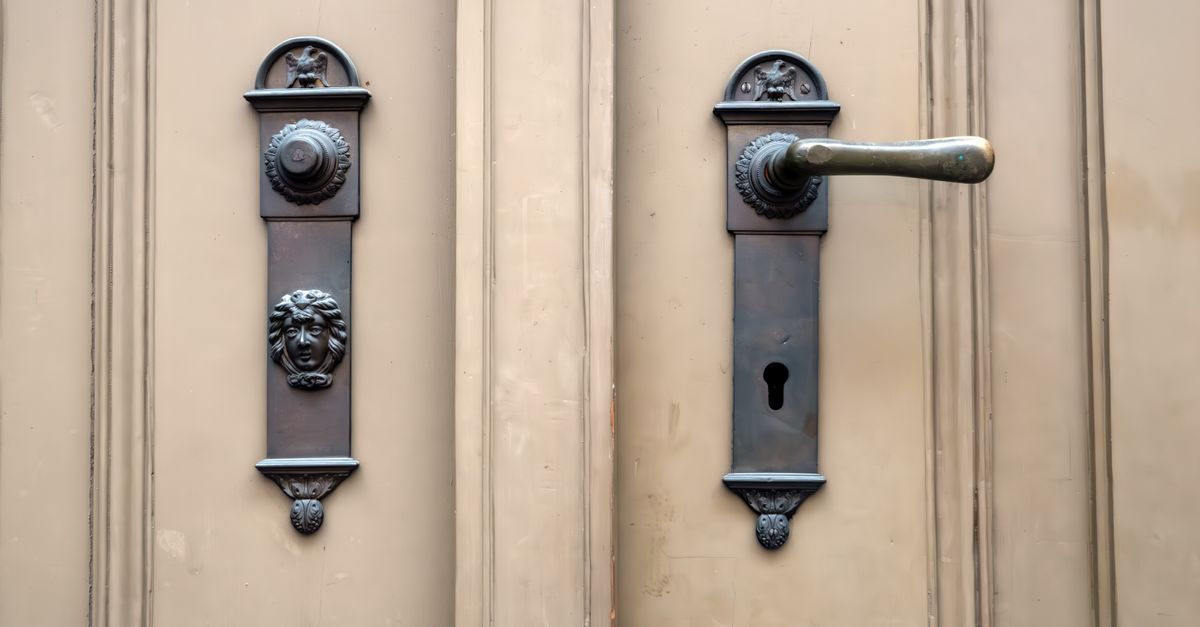
A mortise lock is a lock body that is recessed — or mortised — directly into a pocket carved into the edge of a door. The lock set includes a full housing unit inside the door, a faceplate flush with the door edge, and separate trim hardware (handles, cylinders, and escutcheon plates) on each face. Because the mechanism is embedded in the door rather than mounted to its surface, the assembly becomes structurally part of the door itself. You'll find mortise locks on older Hamilton homes, commercial storefronts, and higher-end residential builds because they've been the professional standard for heavy-use doors for well over a century.
A door knob lock — sometimes called a knob lock — works entirely differently. The locking mechanism is housed inside the knob itself, which bolts through a cylindrical hole bored through the door face. Installation requires no pocket in the door edge, making it simpler and faster to fit. Most door knob with lock setups also include a separate deadbolt above for added security, since a knob lock alone is not considered sufficient for an exterior door. Understanding this fundamental structural difference is the first step toward making the right call for your specific door.
## Mortise Lock vs Door Knob Lock: A Real Security Comparison
From a security standpoint, a well-installed mortise lock has a clear structural advantage on exterior doors. Because the entire lock body sits inside the door, there is far less exposed hardware for a would-be intruder to attack. Mortise locks typically combine a deadbolt, a spring latch, and sometimes a privacy function all in one integrated unit, meaning the door is secured at multiple points through a single mechanism. The deep mortise pocket also means the lock cannot simply be knocked off the face of the door — the door itself would have to fail first. This is why commercial locksmiths routinely specify mortise hardware for high-traffic or high-risk entry points.
Door knob locks have a well-known vulnerability that homeowners should understand: the exposed knob assembly can be sheared or twisted with enough force, and a standard door knob lock can be defeated using shimming or simple bypass techniques more easily than a dedicated deadbolt or mortise unit. That said, this does NOT mean knob locks are useless — a quality door knob with lock and key paired with a properly installed Grade 1 deadbolt on a solid door with a reinforced strike plate is a legitimate setup for many interior and lower-risk exterior situations. The key word is pairing — no knob lock should be the only line of defence on an exterior door. If you've ever wondered how to pick a door knob lock, the answer from a security perspective is that it's easier than most people expect, which is exactly why locksmiths and security professionals recommend upgrading exterior knob-only setups as a priority.
## Durability and Everyday Performance: Which Lock Lasts Longer?
Durability is where mortise locks earn their premium reputation. A quality mortise lock set — from manufacturers like Schlage or similar — is built with heavy internal components designed to handle tens of thousands of cycles over decades. Because the mechanism is fully housed inside the door, it is protected from weather, UV exposure, and the physical wear that surface-mounted hardware takes every day. Many Hamilton homes in the Strathcona and Kirkendall neighbourhoods still have functioning original mortise hardware from the early 1900s — a testament to the format's longevity when the lock is properly maintained.
Door knob locks, especially mid-grade residential units, tend to show wear faster under heavy daily use. The internal spring mechanism and cylinder can become stiff or sloppy over time, and the exterior finish on the knob is exposed to everything from rain to hand oils. That said, modern door knob with lock options from reputable hardware brands have improved considerably. For interior doors, bedroom locks, or lower-traffic secondary entrances, a quality knob lock will serve reliably for many years without issue. The honest rule of thumb: for a front or rear exterior door, invest in a mortise set; for interior privacy locks and secondary passages, a good knob lock is perfectly appropriate.
## What Drives the Cost — and When to Call a Locksmith Hamilton Homeowners Trust
Cost is a real consideration, and it's worth being clear about what actually determines the final price of a lock installation or replacement. The factors include the type of lock being installed (a mortise lock set requires more skilled labour and a more complex installation than a cylindrical knob lock), the condition of the existing door and frame, the brand and grade of hardware you choose, the time of day (emergency locksmith calls outside regular hours are priced differently than scheduled work), and travel distance to your location in the Hamilton area. Before any work begins, our team confirms an exact up-front price — no surprises after the job is done.
If you're dealing with a lockout right now, the most important steps before anything else are: check for a spare key with a trusted neighbour or family member, verify whether a back or garage door is accessible, and confirm ownership or tenancy of the property. Never attempt to force or bypass a lock yourself — you risk damaging the door frame, the lock mechanism, or both, which turns a straightforward service call into a more involved repair. Our mobile locksmiths are available across Hamilton 24/7, whether you're locked out on Upper James Street at 2 a.m. or need a full mortise lock upgrade scheduled for next week. Call (289) 814-3758 and we'll dispatch a skilled technician to your location.
Our locksmith services include: residential lock installation and replacement, mortise lock installation, mortise lock repair, door knob lock replacement, deadbolt installation, high-security lock upgrades, lock rekeying, master key system setup, access control installation, keypad and smart lock installation, door frame and strike plate reinforcement, sliding door lock repair, patio door lock installation, garage door lock service, window lock installation, lock-out response for homes, lock-out response for businesses, commercial door lock installation, commercial lock rekeying, mailbox lock replacement, safe opening, safe lock repair, key cutting, duplicate key service, transponder key programming, car lockout service, ignition lock service, broken key extraction, and lock inspection and security assessments.
## Choosing the Right Lock for Your Door: Practical Scenarios
Here's how to make the actual decision. If your door is a primary exterior entry door — front door, back door, or a door connecting an attached garage to the home — a mortise lock is the stronger long-term choice, particularly if the door is solid wood or solid core and you want integrated handle and deadbolt function in one trim unit. Older Hamilton homes with pre-bored mortise pockets are especially well-suited to a direct upgrade, since the door prep work is already done. For new installations on doors without an existing mortise pocket, a professional locksmith will need to cut the pocket precisely — this is not a casual DIY job, as an improperly cut mortise weakens the door edge and can create alignment problems.
If you're dealing with interior bedroom doors, bathroom privacy locks, or a secondary interior passage, a quality door knob with lock is entirely appropriate and easier to install and replace. For rental properties or units where you need frequent rekeying — a common need around the Hamilton Mountain area as tenants change — a rekeyable knob lock set or a mortise lock with an interchangeable core can reduce long-term costs significantly. When you're unsure, the best move is a quick consultation with a professional: a trained locksmith can assess your door's construction, existing prep, frame condition, and actual risk profile and recommend the right hardware without upselling you on more than you need.
Frequently asked questions
What is a mortise lock and do I need one on my Hamilton home?+
A mortise lock is a lock body that is fitted into a recessed pocket cut into the door edge, making it structurally part of the door rather than a surface attachment. Whether you need one depends on your door type and risk level. Exterior entry doors on Hamilton homes — particularly older stock in neighbourhoods like Durand, Kirkendall, or Strathcona where doors are heavier and more substantial — are strong candidates for a mortise lock set. If your door already has a mortise pocket, upgrading to a modern high-quality mortise unit is a straightforward improvement. If it doesn't, a quality deadbolt and reinforced strike plate setup can also be very effective. A professional assessment from our team will give you a clear, honest recommendation based on your actual door.
Is a door knob lock enough to secure an exterior door?+
No — a door knob lock alone is not considered adequate security for an exterior door. The knob mechanism is vulnerable to forceful twisting and bypass methods, and it does not provide the same resistance as a deadbolt or mortise lock. The standard professional recommendation is to pair a door knob with lock and key with a separate Grade 1 deadbolt, and to ensure the door frame has a reinforced strike plate with long screws anchored into the structural framing, not just the door casing. For exterior doors that see heavy use or are in higher-risk locations, a mortise lock set is a more robust solution that combines both functions in one secure unit.
How do I know what factors will affect my lock installation or emergency locksmith call cost?+
The final price of any lock service depends on several factors: the type of lock involved (a mortise lock installation requires more time and skill than a knob lock swap), the condition of your door and frame, the brand and security grade of the hardware you choose, whether the call is an after-hours emergency locksmith situation or a scheduled appointment, and travel distance to your location in the Hamilton area. Our technicians confirm an exact up-front price before starting any work, so you always know what you're agreeing to. There are no surprise charges added after the job.
Can a locksmith rekey my door knob lock or mortise lock instead of replacing it?+
Yes — rekeying is often the most practical option when you've moved into a new home, had a key go missing, or changed tenants. Rekeying changes the internal pin configuration so that old keys no longer work and new keys are cut to match. Both knob locks and mortise locks can typically be rekeyed, provided the lock cylinder is in good working condition and the lock brand supports standard rekeyable cylinders. Our mobile locksmiths carry rekeying tools and a wide range of key blanks, so we can handle most residential and commercial rekeying calls on the spot across Hamilton. Call (289) 814-3758 — we're available 24/7 for both emergency and scheduled lock services.